The standard delivery R150.00 in South Africa

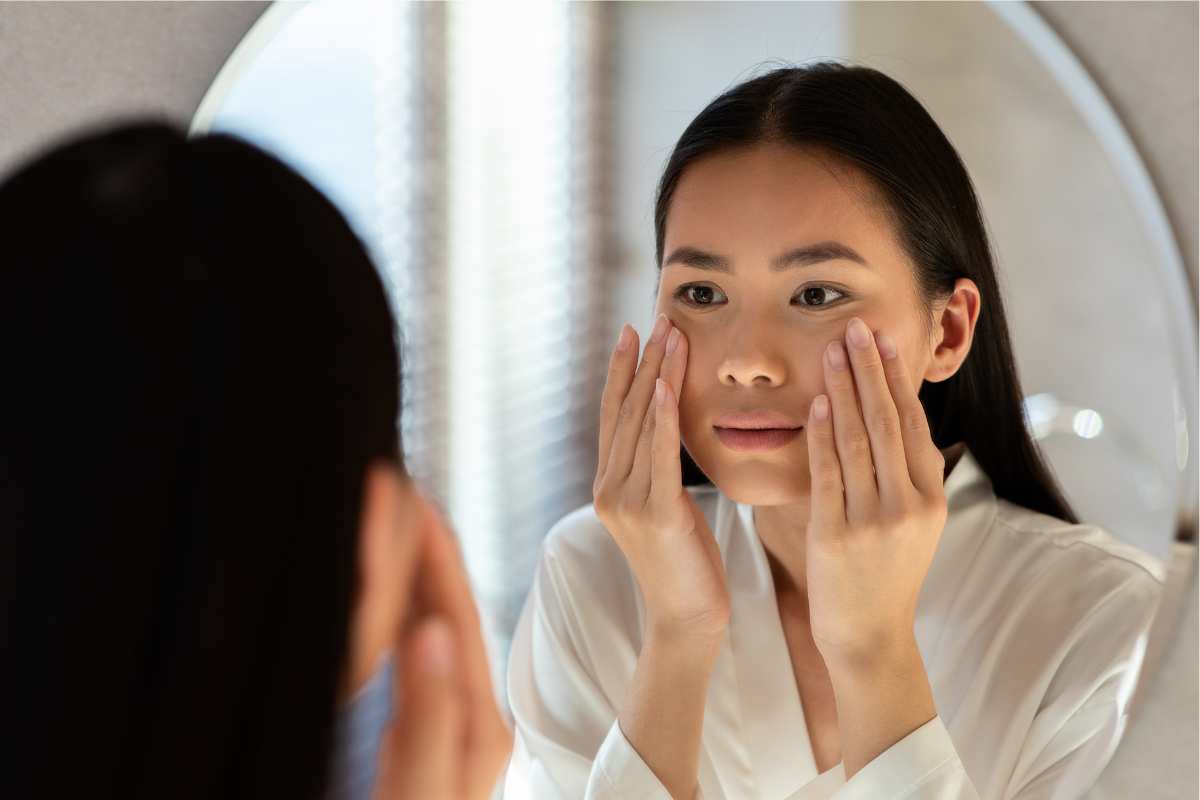
Enzymatic Therapy skincare treatment applying gentle exfoliating enzymes to nourish and renew sensitive skin

Enzymes in Skincare: A Gentle Approach to Effective Exfoliation 

Exfoliation Reimagined: When Skin Needs a Gentler Science  Exfoliation is one of the most transformative steps in any skincare routine, but it’s also one of the most misunderstood. Abrasive scrubs and strong acids often promise instant smoothing results, but they can trigger sensitivity, inflammation, and long-term barrier disruption, making Enzymatic Therapy a gentler, skin-respecting alternative for effective exfoliation.  Today’s dermatological research shows that the skin often benefits more from gentle exfoliation, especially when skin is already sensitive, acne-prone, or recovering from treatment.  This is where enzymatic therapy offers a breakthrough for skincare: a biologically intelligent way to refine skin texture without compromising comfort or barrier health.    What Are Enzymes? Nature’s Precision Tools for the Skin  Enzymes are naturally occurring proteins that act as gentle exfoliating agents without damaging the skin barrier. In skincare, they work at the surface level to:  Break down dead skin cells  Dissolve keratin buildup  Unclog pores gently  Smooth texture without abrasion    Enzymes act like a selective cell encourager: removing what the skin no longer needs while respecting its delicate structure. This makes them ideal for gentle exfoliation that supports long-term skin resilience without harming the barrier.    How Enzymatic Exfoliation Differs from Other Methods  While still under chemical exfoliants, enzymatic exfoliants use natural enzymes for a much gentler treatment. The enzymes are drawn from fruits like papaya, pineapples, and even kiwis and figs.   The difference is in the composition:  Mechanical exfoliation (Scrubs)  Uses physical particles to buff away dead cells  Can create microtears  Often too harsh for sensitive or acne-prone skin    Chemical exfoliation (Acids: AHA/BHA)  Dissolve bonds between dead cells  Effective but can cause burning, irritation, or over-exfoliation  Not always suitable for compromised barriers or reactive skin    Enzymatic Exfoliation  Uses proteolytic enzymes (e.g., papain, bromelain)  Gently lifts dead cells without friction  Maintains barrier integrity  Suitable for daily or frequent use depending on sensitivity    Enzymatic therapy bridges the gap between efficacy and gentleness. It’s a science-led solution for smoother, clearer skin without the inflammation associated with aggressive over-exfoliation and harsh chemicals.    Why Enzymes Excel in Gentle Exfoliation   Not only are enzymes far gentler than most other exfoliation methods, but they also carry anti-inflammatory properties that can calm down irritated skin while buffing the skin. Enzymes offer:  Selective Action: They target only dead or damaged cells, leaving healthy skin intact.  Minimal Irritation: Low risk of redness or burning compared to acids.  Barrier-Friendly: Helps maintain lipid integrity and pH stability.  Improves Absorption: Prepares the skin to receive serums and moisturisers more effectively.  Ideal for All Skin Types: Especially beneficial for sensitive, acne-prone, post-procedure, and teen skin This aligns with the growing movement toward gentler exfoliation as the safer, more sustainable foundation of healthy skin habits. Away with the harsh products, and in with more natural and calming ingredients that complement your skin.    If you’re only starting your skincare routine, now is the perfect time for highlighting enzymatic exfoliation as a teen-safe option.    Biomedical Emporium’s Precision Resurfacing Solution  Biomedical Emporium’s Enzymatic Therapy has been developed as a safe, clinically aligned resurfacing treatment suitable for even the most delicate skin. Packed with Niacinamide and Vitamin E, it acts as a light moisturizer and exfoliant.  What Makes It Different?  It uses Kerotylitic Enzyme, rather than acids  Gently dissolves buildup without stripping the skin  Supports barrier repair during the exfoliation process  Reduces risk of reactive breakouts    Benefits for sensitive and acne-prone skin:  Smooths texture without irritation  Reduces congestion and assists in unclogging pores  Minimises inflammation-related pigmentation  Enhances overall clarity and radiance    This moisturizer embodies the BioMedical Emporium’s philosophy: science-led formulas that deliver results while respecting the skin’s natural biology. Enzymatic exfoliation plays a central role in a gentler exfoliation approach that supports long-term clarity.    How Enzymatic Therapy Supports Acne-Prone Skin  Acne-prone skin is often inflamed, fragile, and easily overstimulated by products, which makes it worse. Traditional acids can worsen redness or disrupt the barrier, creating a cycle of constant irritation and inflammation.  Enzymatic exfoliation therapy avoids this by working at the surface while maintaining the skin’s calm.  How it helps:  Prevents pore blockage  Reduces buildup of dead cells that trap sebum  Supports clearer, more even-toned skin  Lowers the risk of post-inflammatory pigmentation    Enzymatic exfoliation is especially effective for young adult skin that needs results without the risk of acid overuse and further barrier damage.    Preparing the Skin for Gentle Exfoliation  The first step in any resurfacing routine is a proper cleansing ritual. Biomedical Emporium’s Facial Cleanser offers a pH-balanced, non-stripping skincare foundation that pairs perfectly with enzymatic exfoliation therapies.  Why it matters  Removes impurities and excess oil without stressing the barrier  Gently decreases sebum production   Reduces pore size for a more refined complexion    A gentle cleanser, for AM and PM use, paired with enzymatic exfoliation therapy forms a powerful duo for safe, controlled resurfacing without compromising the skin barrier further.    A Clinically Guided Enzymatic Exfoliation Routine  Adding enzymatic exfoliation to your routine is easy once you understand what kind of exfoliant your skin needs. There are different formulations of exfoliants that offer benefits to different skin types and concerns.   Aside from cleansers with exfoliating properties for different skin types, certain types of exfoliation methods could also be useful to add to skincare regimens based on skin type and concerns:  Dry and sensitive skin: Masks are a great option because they offer hydrating ingredients with exfoliation. Serums are another great option that combines hydration with exfoliation.  Combination or oily skin: Peels can be a better option when addressing specific concerns like dullness or an uneven tone. Powders or granules are also a good option, but for the more experienced user.    The Shift Toward Gentler Resurfacing  Modern skincare trends increasingly favour approaches that reduce inflammation rather than trigger it. It’s high time that skincare focuses on barrier integrity and building resilient skin, instead of promising instant results that cause more harm.  Enzymatic exfoliation aligns perfectly with this shift, offering results that are both visible and sustainable to improve the long-term health of your skin.    When to Seek Professional Guidance  Sometimes skin needs a bit more support than general products are able to offer. A skincare consultation is advised when general approaches aren’t providing any support or making matters worse. And especially when:  Skin reacts to normal exfoliants  Acne flare-ups coincide with chemical peels  Sensitivity or redness persists  You’re unsure how often to exfoliate safely    A Biomedical Emporium clinician can tailor an exfoliation schedule that matches skin type, lifestyle, and treatment goals.     A Gentler Future for Renewed Skin  Enzymes bring a new level of intelligence to exfoliation practice, one that is precise, controlled, and biologically harmonious. Gentle exfoliation does not mean compromised results or that it won’t work. Instead, it means that your skin gets clarity without added inflammation, smoothness without stripping the skin, and renewal backed by science.  With enzymatic exfoliation, skin gains a safe, effective resurfacing solution that respects the barrier, supports sensitive and acne-prone skin, and builds long-term radiance. 
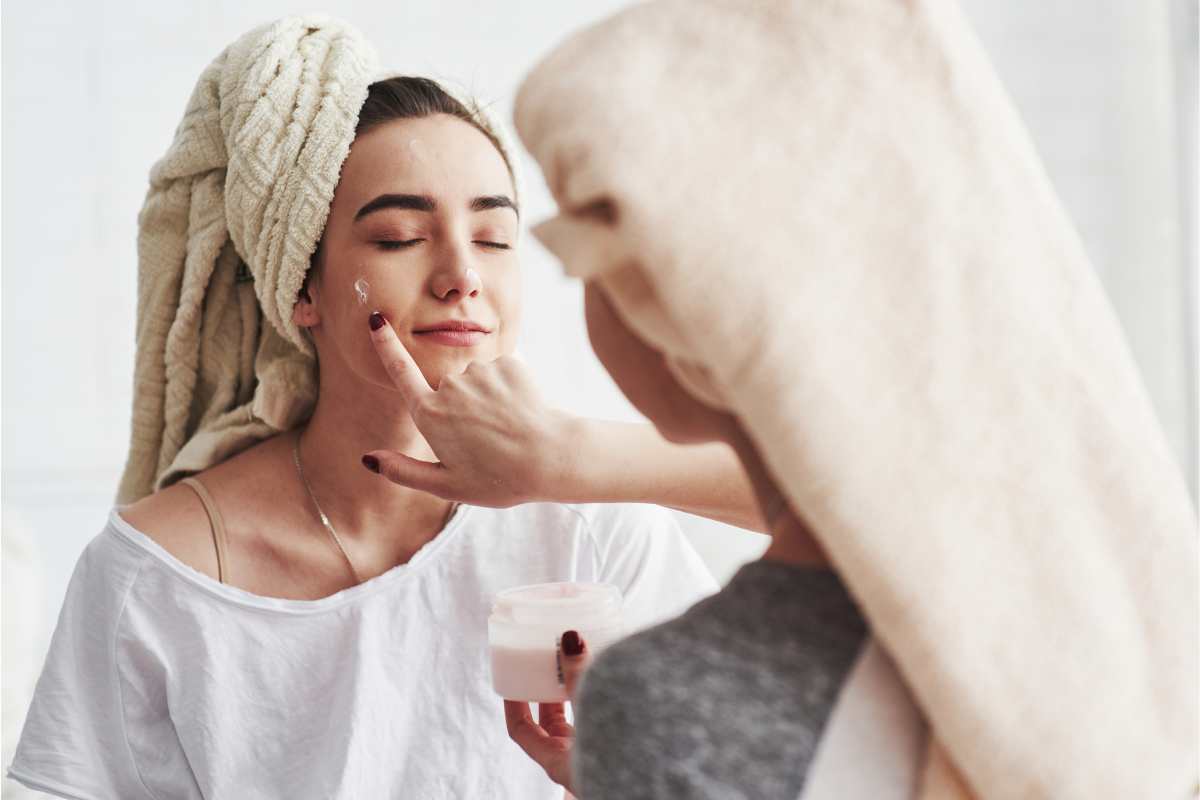
Woman examining her complexion while using a Sensitive Skin Pack for calming and repairing reactive skin

 Sensitive Skin Science: Understanding Reactivity and Repair 

When Skin Speaks Through Sensitivity  Some skins whisper. Others flare, flush, sting, or tighten. Sensitivity is one of the most common concerns today—and yet also one of the most misunderstood. Many people assume all skin sensitivity is the same, but dermatological science tells a very different story, which is why solutions like a Sensitive Skin Pack focus on targeted repair rather than one-size-fits-all relief. There is naturally sensitive skin, which is linked to genetics, and sensitised skin, which becomes reactive due to external stressors or incorrect product use. Understanding the difference is essential for effective sensitive skincare and long-term recovery.    Naturally Sensitive vs. Sensitised Skin: Two Different Biological Pathways  These are two distinctly different skin conditions that require different approaches to repair and support.  Naturally Sensitive Skin  This skin type is genetically predisposed to heightened reactivity because the skin’s barrier is naturally weaker. Sensitive skin is characterized by:  A thinner or more delicate barrier  Blood vessels closer to the surface  Higher likelihood of redness or flushing  Lower tolerance for strong actives or fragrances    Naturally sensitive skin requires gentle, continuous care and clinically safe formulations that protect the skin barrier rather than challenge or further irritate it.  Sensitised Skin  Unlike natural sensitivity, sensitisation happens when the skin barrier is damaged or overworked. It’s a condition that anyone can experience, regardless of how resilient the skin may be otherwise. This often happens due to environmental stressors or overloading your skin with products.   The usual culprits include:  Over-exfoliation  Incorrect use of strong actives  Harsh cleansers  Sun exposure and pollution  Stress and lifestyle factors    Sensitised skin is temporary, but it feels intensely reactive and lasts until the barrier is repaired.   Understanding this distinction between the two forms is the foundation of effective reactive skin management.    Why the Barrier is Central to Sensitive Skincare Science  The skin barrier (the lipid matrix that protects the surface) plays a crucial role in both sensitivity and sensitisation. When intact, supported and healthy, it regulates hydration, guards against irritants, and maintains calm.  When the barrier is compromised, symptoms of reactive skin emerge:  Tightness  Burning  Redness  Flaking  Heightened product sensitivity    Barrier repair is therefore the first essential step in any strategy to support sensitive skin.    How Reactivity Happens: The Biology Behind Sensitive Skin  Skin becomes reactive when the barrier is fragile. If the skin’s defence is weak and compromised, even low stress or psychological and environmental stressors can further delay healing.   Inflammatory Cascade  If skin is already weakened by other conditions like eczema or rosacea, the immune system already overreacts to triggers, even when harmless. Once skin is irritated, the skin releases inflammatory molecules that amplify dryness, redness, and discomfort.   pH Disruption  The skin’s natural pH balance is around 4.5 to 5.5, which helps to maintain its microbiome. But when using harsh products, the natural pH balance is thrown off, reducing its ability to defend itself.   The Gut Connection to Sensitivity  Your skin and gut are interconnected – what you eat plays a huge role in how your skin regulates inflammation, immune responses, and the level of sensitivity of your skin. So, if your gut is slightly out of balance (hello, highly processed foods and stress), it can easily trigger conditions of the skin: enter acne, eczema, and rosacea.  Nerve Ending Hyper-Responsiveness  In sensitive or sensitised skin, the nerve endings in the skin may respond (over) dramatically to even mild changes in temperature, pressure, or ingredients.  This is why sensitive skincare should prioritise calming treatments, protection, and consistency over intense actives or aggressive treatments.    The No-Nos for Reactive Skin  With skin that is easily triggered, it might even feel like everything is a trigger, but it’s important to understand which ingredients in skincare to avoid. So, if you have reactive skin, look out for:  High concentrations of AHAs/BHAs  Retinoids (unless clinically supervised and well tolerated)  Skincare products with fragrances and alcohols  Harsh foaming agents that dry the skin  Overly abrasive scrubs  Parabens and preservatives that irritate sensitive skin    These ingredients can quickly worsen inflammation and prolong sensitisation, delaying skin repair – not to mention being thoroughly uncomfortable.    Ingredients That Support Skin Repair and Resilience  Gentle does not mean ineffective. The gentler the better, and if you focus on soothing, calming properties, you will help your skin repair itself fully.   The right ingredients support:  Hydration and Barrier Lipids  Ceramides  Hyaluronic acid  Glycerin    Soothing and Anti-Inflammatory Support  Niacinamide  Aloe vera  Vitamin C    Enzyme-Based Exfoliation  A key component for reactive skin is using enzyme-based exfoliants, which gently refine the skin without irritation and supports healthy cell turnover while maintaining barrier integrity.    Biomedical Care Designed for Comfort and Repair  Biomedical Emporium’s Sensitive Skin Pack offers a structured approach to restoring comfort across all layers of the skin.  What makes it work so well:  It’s clinically formulated for minimal irritation  Strengthens the barrier from day one  Reduces redness and reactivity  Improves hydration capacity  Suitable for naturally sensitive and sensitised skin    The benefits:  Softer, calmer skin  Reduced flare-ups  Improved texture and comfort  Long-term resilience with consistent use    This system demonstrates how targeted sensitive skincare can restore confidence and calm through evidence-based formulation.    How Enzymatic-Based Therapy Supports Gentle Renewal  Traditional exfoliants can severely overwhelm already sensitive skin. Enzymatic Exfoliation on the other hand, offers a safer alternative by using controlled enzymatic action to refine texture without stripping the barrier.  Enzymatic benefits for sensitive and sensitised skin  Removes surface buildup without abrasion  Reduces congestion while maintaining comfort  Supports healthy cell turnover  Prevents the sensitivity spiral triggered by harsh acids    This step is essential for skin that cannot tolerate conventional exfoliation because it does not strip the skin further, it retains moisture by forming a barrier on the skin.    A Daily Routine for Reactive Skin Repair  Morning Routine  Gentle cleanse  Sensitive Skin Pack serum or moisturiser  Sunscreen to protect fragile skin    Evening Routine  Gentle cleanse  Enzymatic Exfoliation (2–3 times weekly)  Sensitive Skin Pack moisturiser/serums    Avoid introducing new actives too quickly, as this can trigger your skin even more. This structured routine helps steady the skin and prevent further episodes of reactive skin.    Lifestyle Factors That Impact Sensitivity  We live in our skin, so it makes sense that way we go about life each day would play a role in our skin health.   Heat & Sun Exposure: Can trigger redness and delayed inflammation.  Stress: Elevates cortisol, increasing overall skin reactivity.  Diet & Hydration: High sugar and low water intake can worsen barrier function.  Environmental Factors: Pollution and wind weaken already compromised skin.    Skin Health is part of our overall health. These interconnected factors highlight why sensitive skin requires more than just products. It requires a full-spectrum approach, backed by science.    When to Seek Professional Guidance  A Biomedical Emporium skincare consultation is ideal when:  Redness persists or worsens  New sensitivity appears suddenly  Most products cause discomfort  Skin becomes easily inflamed  Sensitisation recurs    A clinician can differentiate root causes, suggest correct

Subscribe to our Newsletter

* indicates required
/ ( mm / dd )

Our prices will increase from 01 March. Place your order now to secure current pricing!