
The Paradox of Oily Yet Dehydrated Skin
Summer in South Africa often leaves skin feeling greasy yet tight, shiny yet flaky, and prone to breakouts despite cleansing. These conflicting issues stem from one cause: dehydration triggering excess oil production.
Understanding the difference between oil and water, and how heat disrupts both, turns ineffective oil-fighting approaches into balanced hydration routines that restore skin’s natural equilibrium.
Dehydration vs Oiliness: Defining the Difference
Confusion often starts with terminology. “Dry skin” can refer to dehydration (lack of water) or low oil production (lack of sebum), yet these are distinct conditions needing different care. Dehydrated skin feels tight, dull, sensitive, and may show fine lines, while oily skin shines, has enlarged pores, and may breakout.
Skin can be both dehydrated and oily – common in summer – creating the paradox of tight yet shiny, dull yet oily, flaky yet breakout-prone skin.
The Biochemistry Behind the Imbalance
Skin regulates water and oil through separate systems. The outer layer, the stratum corneum, retains water via natural moisturising factors and barrier lipids, while sebaceous glands produce sebum independently. When dehydration occurs, sebum production often increases to prevent water loss, creating the common oily-yet-dehydrated state.
How Summer Heat Triggers the Dehydration-Oil Cycle
Summer heat accelerates transepidermal water loss (TEWL) in several ways: higher temperatures increase evaporation, dilated blood vessels bring fluid to the surface, sweating depletes moisture, and air conditioning lowers humidity, drawing water from skin. In response, sebaceous glands boost oil production to protect against further loss, but sebum can’t replace lost water. The result: skin appears oily yet remains dehydrated beneath the surface.
The Cleansing Trap
In response to summer oiliness, many over-cleanse or use harsh products to strip oil – worsening the problem. Aggressive cleansing removes essential barrier lipids and natural moisturising factors, increasing water loss.
Dehydration then triggers more sebum production, creating a vicious cycle: over-cleansing → dehydration → excess oil → harsher cleansing → deeper dehydration.
Recognising Dehydrated Oily Skin 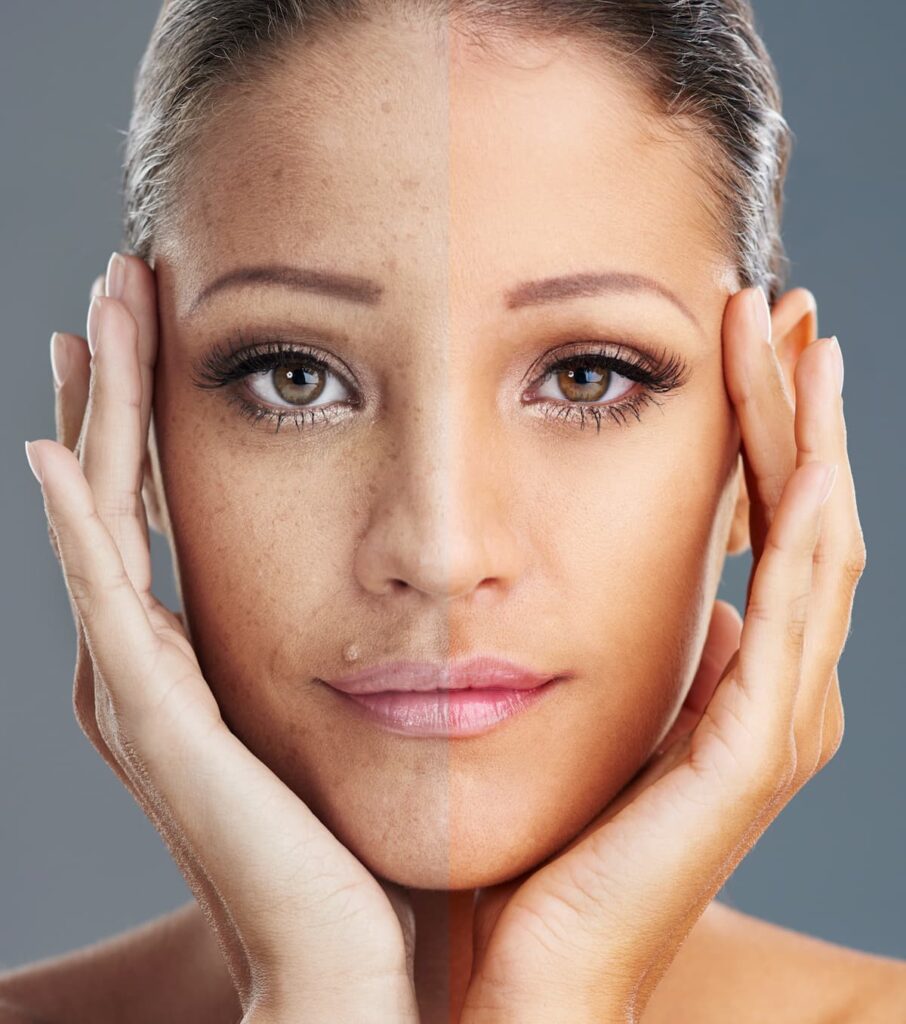
Signs of dehydration beneath oily skin include tightness despite shine, fine lines across oily areas, sensitivity or stinging with products, and makeup separating or pilling. If oiliness worsens after mattifying or oil-control treatments, it indicates compensatory sebum production in response to dehydration – true oily skin responds to oil control, whereas dehydrated oily skin does not.
The Flaking Oil Paradox
The clearest sign of dehydrated oily skin is flaking combined with shine. Dehydration disrupts cell shedding, causing flakes, while sebaceous glands keep producing oil – resulting in greasy flakes. This combination clearly points to dehydration, not just oiliness.
The Solution: Hydration-First Approach
Treating dehydrated oily skin requires a counterintuitive approach: prioritising water-based hydration despite the shine. Hydrating first restores moisture, signalling sebaceous glands to reduce compensatory oil. As hydration improves, oiliness naturally balances without harsh oil-control measures.
Key principles: distinguish hydrating (water-adding) from moisturising (water-sealing) products. Dehydrated oily skin benefits from hydrators like hyaluronic acid, glycerin, and aloe. Heavy, occlusive moisturisers can worsen oiliness, while light, water-based hydration provides exactly what the skin needs.
The Role of Hyaluronic Acid
Hyaluronic acid is ideal for dehydrated oily skin. It can hold up to 1,000 times its weight in water, providing deep, oil-free hydration. Its varying molecular weights hydrate both within and on the surface, all in lightweight, non-greasy formulations suited for oily skin.
The HA Contour Masque Strategy
Biomedical Emporium’s HA Contour Masque exemplifies intensive hydration addressing dehydration beneath oily surfaces. This rich formulation delivers long-lasting cellular and dermal hydration while boosting collagen and hyaluronic acid production – addressing both immediate hydration needs and long-term moisture retention capacity.
The masque’s occlusive treatment format maximises hydration delivery. Applied generously for 15-20 minutes, it creates a sealed environment preventing water evaporation while driving moisture deep into tissues. For dehydrated oily skin, this intensive treatment helps reset moisture balance, potentially reducing compensatory sebum overproduction within weeks of regular use.
Use the HA Contour Masque 2-3 times weekly during peak summer months when dehydration risk intensifies. Even oily skin tolerates this rich formulation when genuinely dehydrated – the skin readily absorbs needed moisture without remaining greasy. If the masque absorbs quickly leaving no residue, this confirms significant dehydration requiring intensive intervention.
Proper Cleansing: The Foundation
While hydration serums and masques restore water balance, appropriate cleansing prevents ongoing dehydration. The goal shifts from aggressive oil removal to gentle cleansing that maintains barrier integrity while removing excess sebum. This requires pH-balanced cleansers with mild surfactants that don’t strip protective elements.
The Facial Cleanser from Biomedical Emporium demonstrates this balanced approach. This anti-inflammatory cleanser with deep cleansing action removes impurities and excess oil without disturbing barrier integrity. It features skin degreasing properties that decrease sebum production while reducing pore size – addressing oiliness at its source rather than through harsh stripping.
Salicylic Acid’s Dual Benefits
The Facial Cleanser’s inclusion of salicylic acid provides multiple benefits for dehydrated oily skin. This beta-hydroxy acid penetrates oil-filled pores, exfoliating inside follicles to prevent congestion and breakouts common in oily skin. Simultaneously, it provides light chemical exfoliation removing the flaky buildup from dehydration. Its anti-inflammatory properties calm the irritation accompanying both dehydration and acne.
Importantly, salicylic acid in a cleanser format provides these benefits without the extended contact that might increase irritation in dehydrated skin. The brief application during cleansing delivers sufficient exfoliation and pore-clearing action while minimising potential barrier disruption.
Building a Balanced Summer Routine
For dehydrated oily skin, streamline your summer routine around hydration and gentle cleansing. Morning: cleanse with the Facial Cleanser, apply lightweight hydrating serum, follow with oil-free moisturiser if needed, and finish with non-comedogenic sunscreen. Evening: double cleanse if wearing sunscreen or makeup (oil-based first cleanser followed by the Facial Cleanser), apply hydrating treatments, and seal with light moisturiser.
Incorporate the HA Contour Masque 2-3 times weekly for intensive hydration. On masque nights, cleanse, apply masque for 15-20 minutes, remove excess if needed, then proceed with remaining routine. This regular intensive hydration helps prevent the severe dehydration that triggers excessive compensatory oil production.
What to Avoid
Eliminate harsh astringents, alcohol-based toners, and aggressive scrubs – all strip moisture and worsen the cycle. Avoid thick, occlusive moisturisers that might congest already oily skin. Skip mattifying products claiming to “control” oil through absorption or astringency – these address symptoms while worsening the underlying dehydration. Be cautious with active ingredients like strong retinoids or acids that might further compromise hydration; if using these, ensure robust hydration support.
Internal Hydration Support
Topical hydration works best alongside internal hydration. Drinking 2–3 litres of water daily – more in heat or during activity – supports skin cells, while water-rich foods like cucumbers, watermelon, citrus, and leafy greens add fluids and electrolytes.
Be mindful of caffeinated and alcoholic drinks, which can dehydrate; moderate consumption is fine if balanced with water. Electrolytes like sodium, potassium, and magnesium are also essential, as very low-sodium diets can hinder hydration even with sufficient water intake.
Environmental Modifications
Reduce environmental factors that worsen dehydration. Use humidifiers in air-conditioned spaces and keep indoor temperatures moderate to prevent excessive water loss. Protect skin from sun and wind, and consider facial mists during the day – especially in air-conditioned environments – to top up hydration between regular skincare applications.
Monitoring Progress and Adjusting
Dehydrated oily skin usually improves within 2–4 weeks of hydration-focused care. Early signs include less tightness, better product absorption, reduced flaking, and increased plumpness. Over time, oiliness moderates as moisture balance restores and compensatory sebum decreases.
If oiliness persists after 6–8 weeks, other factors – hormones, medications, or conditions like seborrhoeic dermatitis – may be involved, warranting medical evaluation. Most summer-related cases respond well to hydration plus gentle cleansing.
Seasonal Adaptation
Adjust your skincare with the seasons. Winter may call for richer moisturisers as oiliness drops, spring and autumn for moderate hydration, and summer for maximum hydration focus. Seasonal flexibility ensures routines remain suited to changing skin needs, maintaining balance year-round.
Rebalancing Through Understanding
The summer paradox of dehydrated oily skin resolves through understanding the fundamental distinction between water and oil in skin physiology. Oiliness often masks underlying dehydration, creating the illusion that oil control should be the priority. However, addressing the true problem – water deficiency – naturally moderates compensatory oil production while improving overall skin health.
The combination of intensive hydration through treatments like the HA Contour Masque and appropriate cleansing with the Facial Cleanser provides the balanced approach oily skin in summer actually requires. By prioritising hydration skincare over aggressive oil removal, you work with your skin’s natural processes rather than fighting against them – creating the lasting balance that aggressive oil-control measures can never achieve.